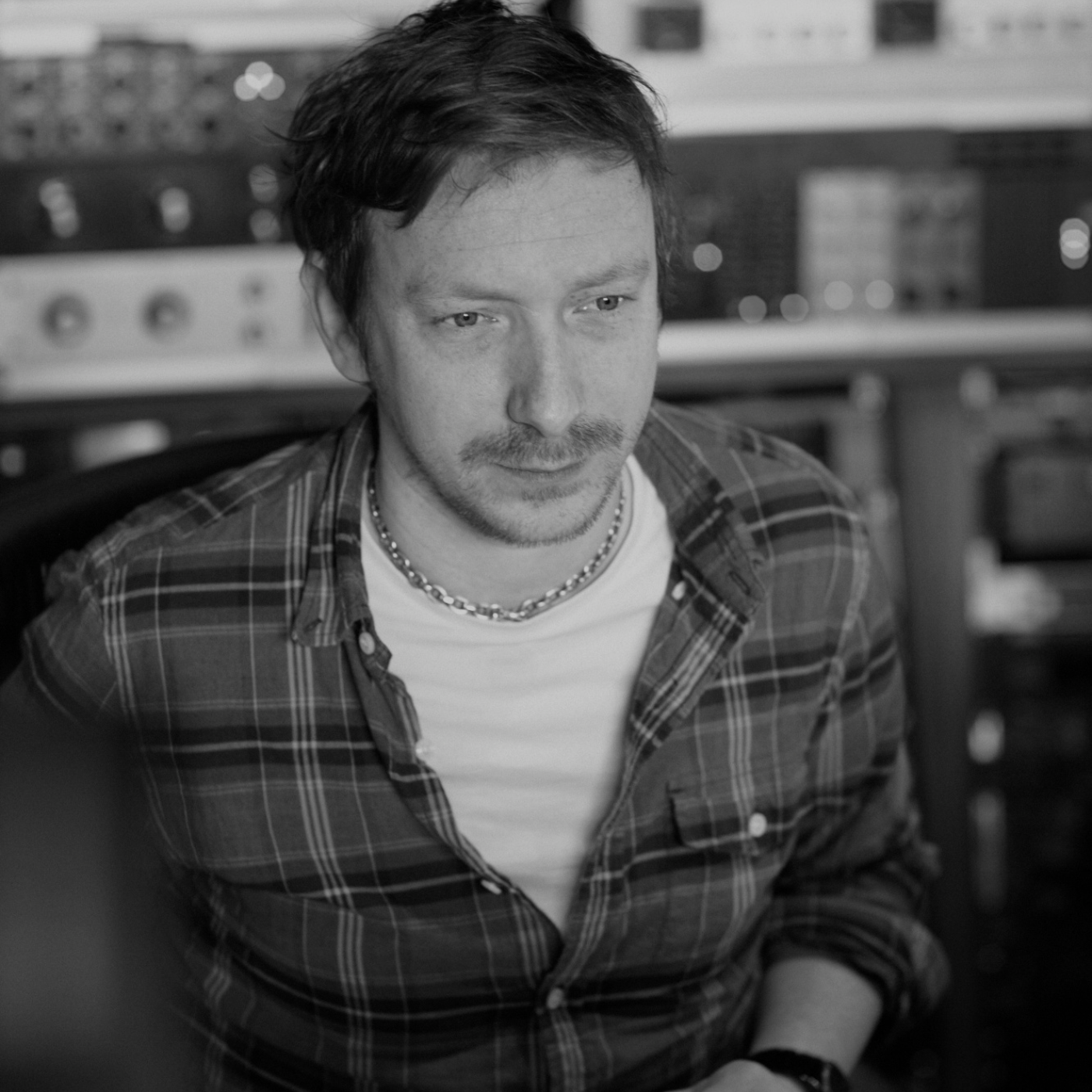
Paul Whalley (P/SW/M)
PAUL WHALLEY
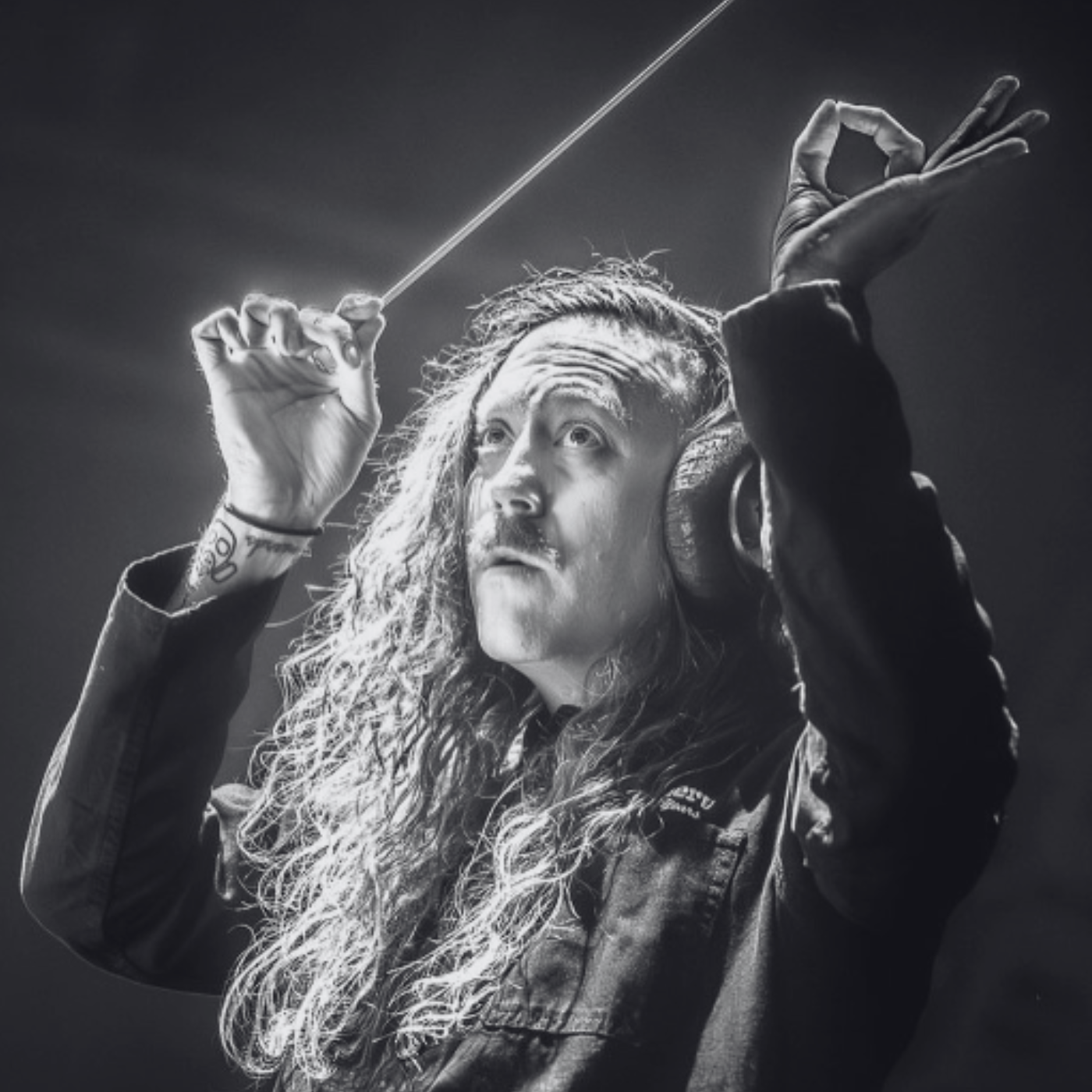
Before Paul Whalley earned platinum plaques and billion-stream credits, he studied classical tuba at The Guildhall School of Music and Drama. Yes, tuba. Because nothing says "future pop producer" like a brass instrument heavier than most studio monitors.
His classical training became his secret advantage. He earned a Bachelor's in Classical Tuba and a Master's in Classical Composition, both from Guildhall. While many producers focused on technical skills, Whalley dove deep into music theory.
Now based at The Treehouse, his private studio at Tileyard in King's Cross, London, Paul has spent the last decade becoming one of the UK's most versatile producer-songwriters. He has over a billion streams worldwide, Platinum Awards, and consecutive Music Producers Guild longlist nominations for Producer of the Year (2024) and Writer/Producer of the Year (2025).
Which is nice.
Paul's discography reads like someone who refuses to be pigeonholed (probably all that tuba training):
He’s worked with The Wanted (co-writer and producer on their comeback record, including "Colours"), Alice Merton (writing and production on recent albums), Grace Davies (co-producer and co-writer on the debut album The Wrong Side of 25), Lost Frequencies featuring Flynn ("Recognise"), Little Mix (instrumentalist on "Shout Out To My Ex"), Louis Tomlinson (production and arrangement), ILIRA (helping shape her sound for Virgin Music), and others including David Archuleta, Cher Lloyd, Anastacia, Wild Youth, and Swim School.
His session musician CV is equally impressive. He toured with Mumford and Sons and Ellie Goulding before deciding he'd rather be the one turning the knobs.
Despite owning enough guitars to stock a shop and a studio resembling a vintage gear museum, Paul's production philosophy is refreshingly anti-perfectionist.
His mantra? "A musician first, a producer second."
He deliberately programs drums slightly off the grid. He loves the squeaks. He appreciates when things are slightly out of tune (intentionally, obviously). He'll record things on an Akai MPC 3000 with actual floppy disks to get that organic feel. Apparently the future of pop production involves technology from 1994.
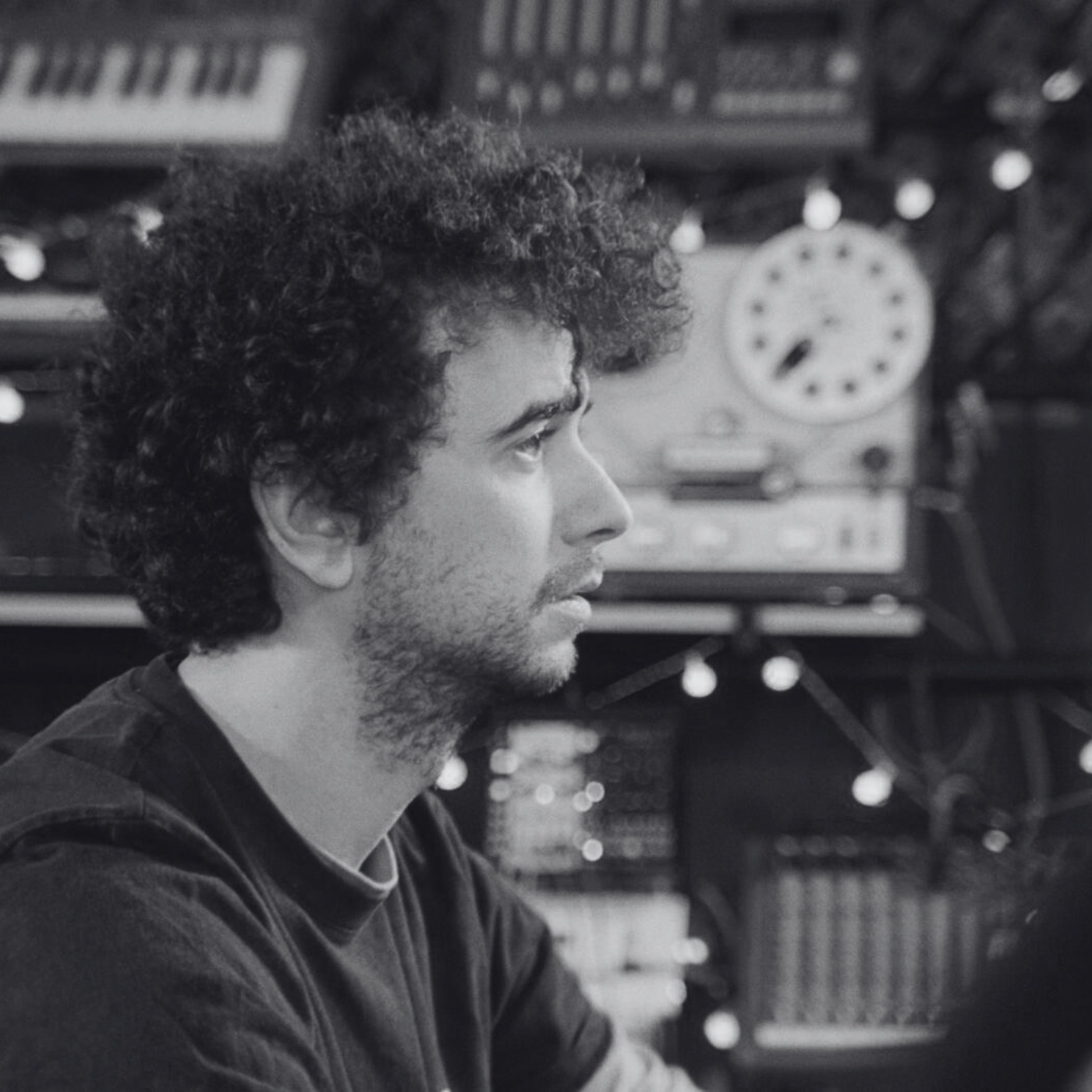
Working from The Treehouse at Tileyard Studios, minutes from central London but far enough away to think, Paul uses a hybrid workflow: vintage analogue gear meets modern digital production. His Lauten Audio LA-320 microphone is used on everything from vocals to brass to guitar amps. When you find something that hits the sweet spot between vintage and modern, you use it relentlessly.
The studio itself deserves a mention. Wooden floors, red leather sofas, enough plants to qualify as a greenhouse, and a Mellotron that serves as a creative catalyst for visiting songwriters. Plus an upright piano as the room's centrepiece, because priorities.
Paul's most significant recent work is Grace Davies' debut album The Wrong Side of 25, where he served as co-producer and co-writer across multiple tracks. The album's been called "not only the best album of the year but one of the best of the decade" by podcast host Steve Anderson, who credited Paul as "partly responsible."
The 15-track collection showcases what Paul calls his "organic and live production style," tackling themes of ageing, mental health, and self-discovery without sounding like every other introspective pop record you've heard.
It's the kind of project that happens when you combine classical training, contemporary production skills, and an actual understanding of what makes songs connect with humans.
Music Producers Guild Awards 2024 (Producer of the Year, longlisted). Music Producers Guild Awards 2025 (Writer/Producer of the Year, longlisted). Platinum Award winner. Over 1 billion streams globally across 250 released songs.
He's worked with Universal Music, Island Records, Virgin Records, Sony Music, Warner Records, and various leading independent labels.
Paul's also given back through education, teaching masterclasses at Real World Studios' BeatCamp in 2018 and creating educational content for Tileyard Education.
His advice to new producers reflects his values: "You never know who you'll meet in the future and the connections that can come back around, so be nice to everyone and put into everything what you want to take out."